
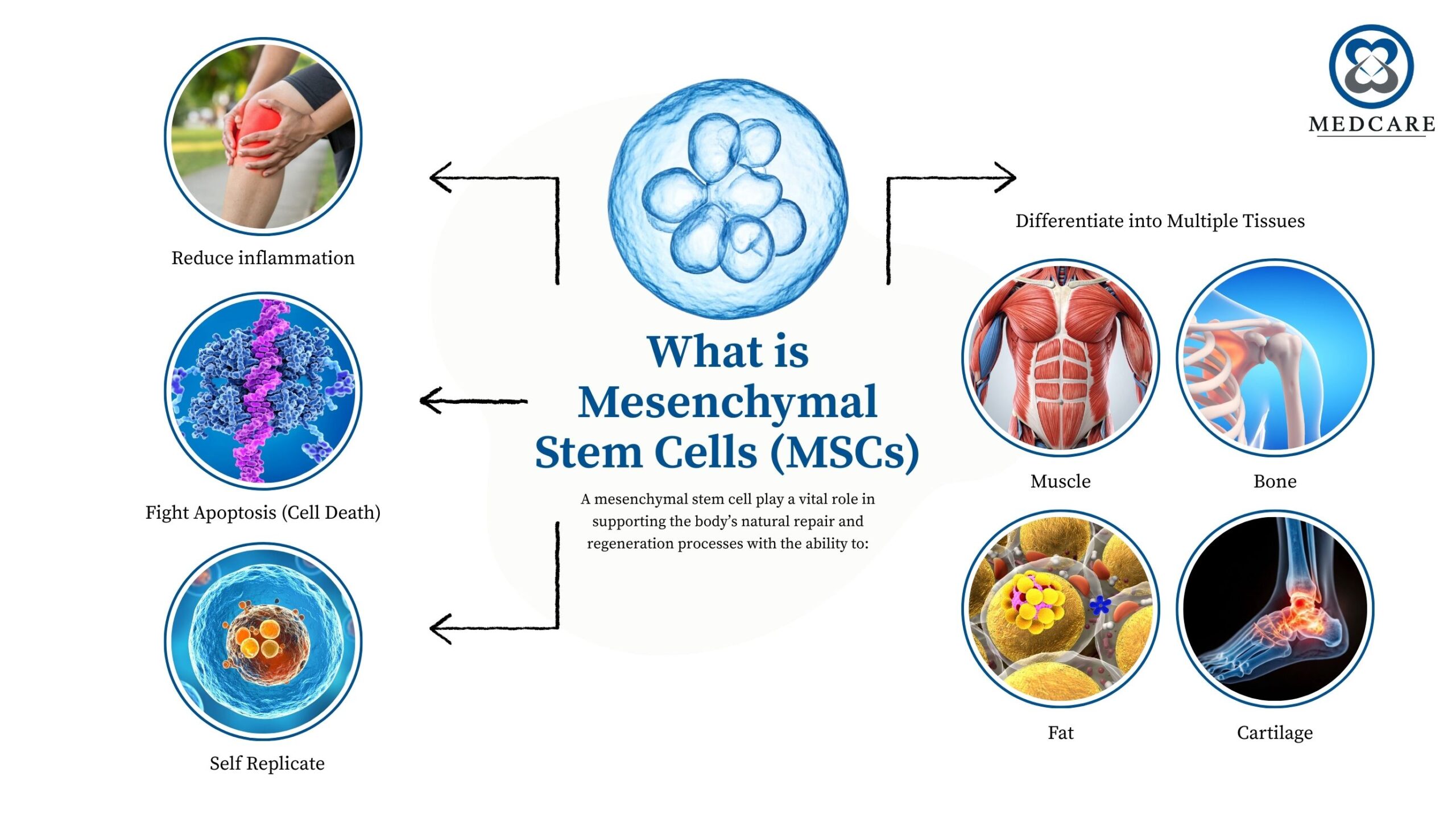
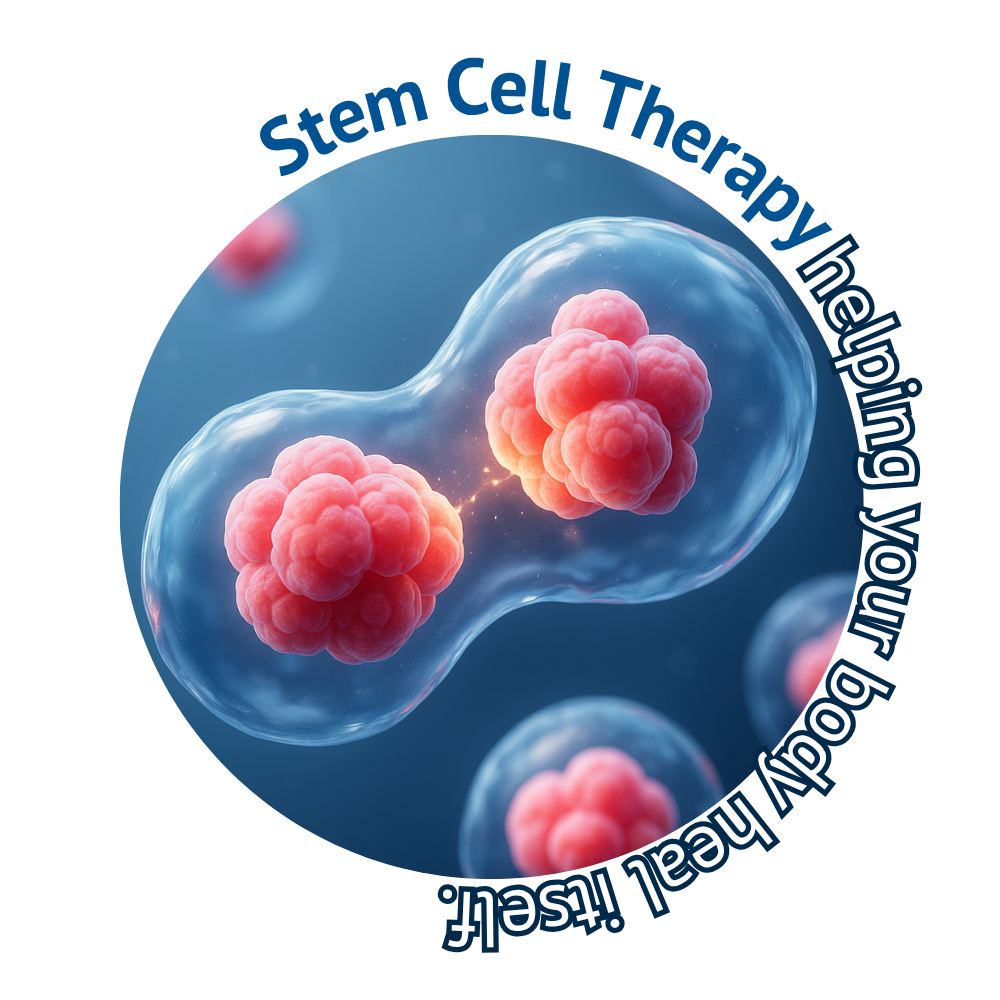
Mesenchymal Stem Cells, commonly known as MSCs, are often described as the building blocks of the human body. These remarkable cells naturally reside in various parts of the body, including organs, tissues, blood, and the immune system. Their primary role is to support the body’s ability to repair, regenerate, and maintain healthy cellular function.
What makes MSCs unique is their dual capability. They can self renew by producing more stem cells, or they can differentiate into specialized cells depending on the body’s needs. This adaptability makes MSCs a key focus in regenerative medicine and cell based therapies.
The Regenerative Potential of Mesenchymal Stem Cells
MSCs have the potential to differentiate into over 220 different cell types within the human body. These include cells related to:
- Heart tissue
- Bone and cartilage
- Nerve and muscle tissue
- Cornea and connective tissue
- Fat and other supportive structures
When introduced into a patient’s body, MSCs can support the repair or replacement of damaged or diseased cells. Rather than acting as a temporary solution, this regenerative approach works by enhancing the body’s natural healing mechanisms, contributing to improved overall health and cellular function.
How Umbilical Cord MSCs Infusion Works
Umbilical cord derived MSCs are carefully cultured under controlled medical conditions before being administered to patients. The infusion process typically involves intravenous and intramuscular delivery, allowing the cells to circulate and interact with the body efficiently.
Once infused, these cells play an active role by:
- Seeking areas of cellular damage or stress
- Stimulating existing cells to function more effectively
- Supporting regenerative and immunological balance within the body
Due to their low immunogenicity, umbilical cord MSCs can be infused safely across different recipients under proper medical supervision.
Key Characteristics of Umbilical Cord Mesenchymal Stem Cells
Umbilical cord MSCs are widely studied for their robust and versatile nature. Their main characteristics include:
- Primitive and highly resilient cellular structure
- Abundant availability with strong proliferation capacity
- Multi directional differentiation potential
- Unique immunomodulatory properties
- Convenient and ethical sourcing with ease of cultivation and expansion
These qualities make umbilical cord MSCs a preferred choice in many regenerative medicine applications worldwide.
Learn More From Our Medical Professionals
If you would like to understand how Mesenchymal Stem Cells work and how they may support your health goals, speaking directly with experienced doctors is the best place to start.
Contact Medcare Stem Cell Therapy Clinic to learn more about MSCs and receive personalized guidance from our experienced medical team. We are here to help you make informed decisions with confidence and clarity.
2 Responses