
Understanding Different Stem Cell Sources
Stem cell therapy is increasingly discussed by individuals looking into wellness support, recovery options, and age-related health concerns. When exploring a stem cell therapy service, it is important to understand that stem cells can come from different sources, and each source differs in how it is obtained, prepared, and used.
This overview explains commonly discussed stem cell sources in clear and simple terms to help you make informed decisions before consulting a medical professional. For those unfamiliar with stem cells, we recommend reading our previous blog explaining what stem cells are before continuing.
What Are Mesenchymal Stem Cells (MSCs)?
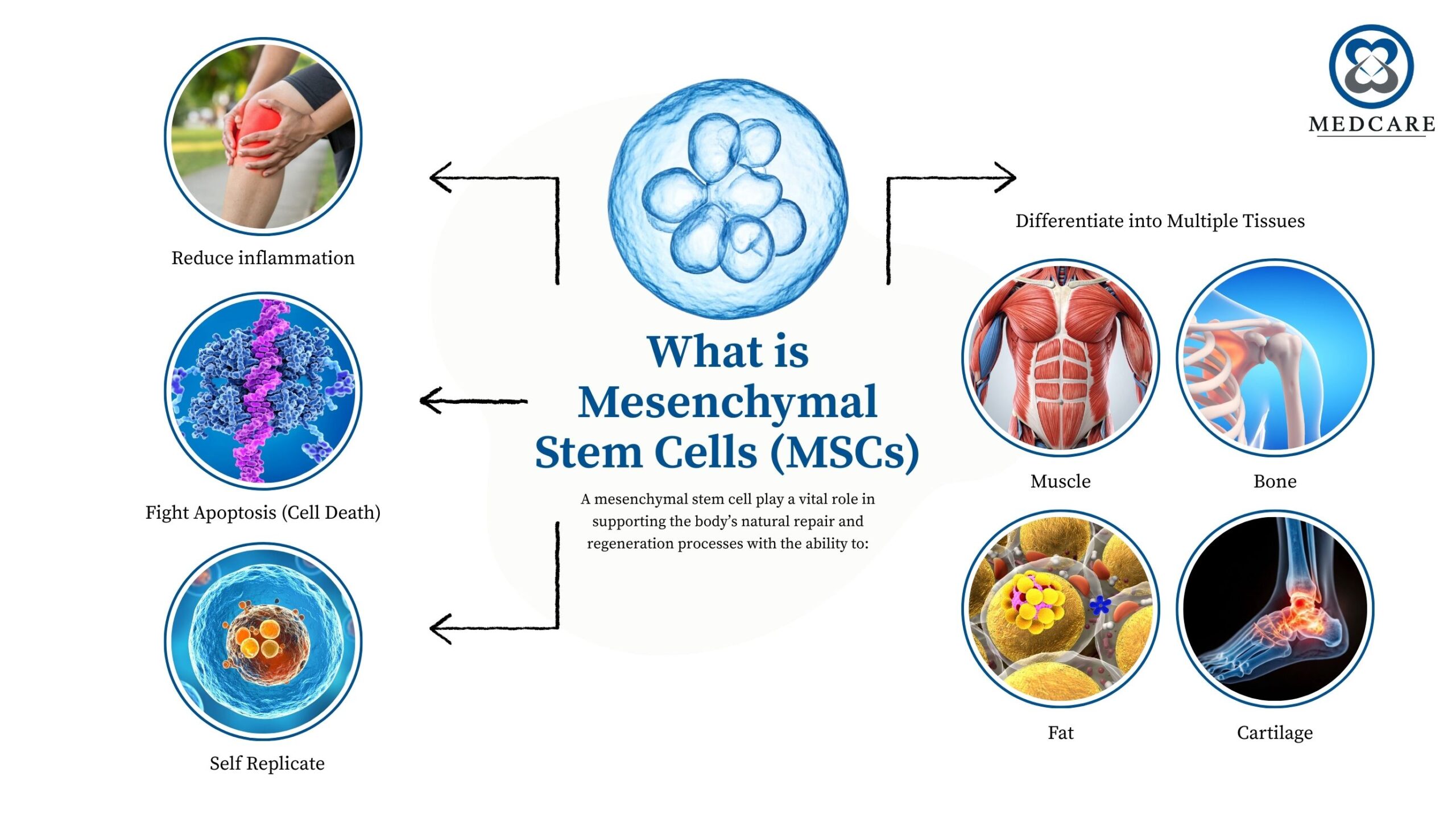
Mesenchymal stem cells, or MSCs, are adult stem cells found in various tissues such as bone marrow, fat tissue, and umbilical cord tissue. They are studied for their role in supporting the body’s natural repair processes and their interaction with the immune system. Because MSCs can be sourced in different ways, understanding these differences is an important first step when considering stem cell-related services. To explore this topic further, you may read our previous blog about Mesenchymal Stem Cells (MSCs) and their role in regenerative medicine here.
Common Stem Cell Sources
Umbilical Cord–Derived MSCs
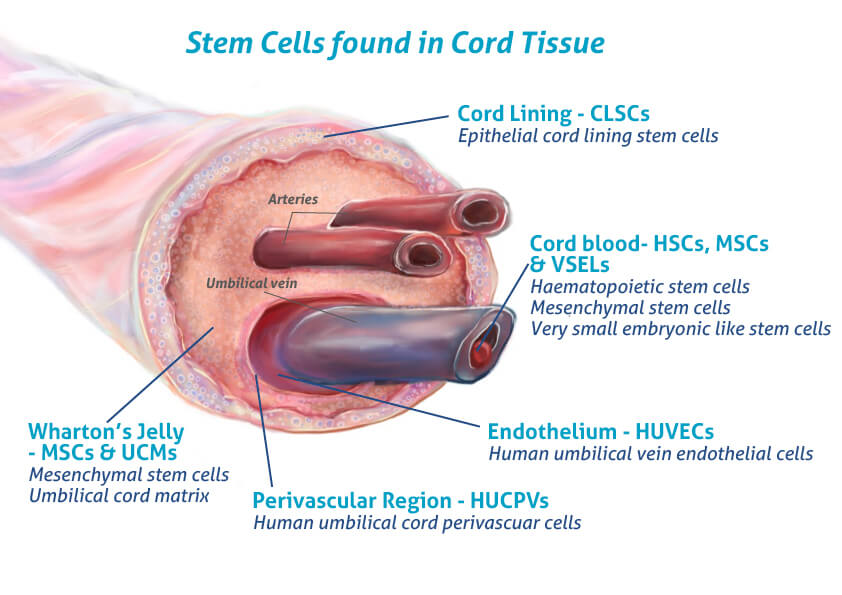
These stem cells are obtained from Wharton’s jelly within the umbilical cord after childbirth. The collection process does not cause pain to the donor. Preparation involves specialised laboratory processing. Umbilical cord MSCs are often discussed due to their low likelihood of immune reaction and broader potential use.
Bone Marrow–Derived MSCs
Bone marrow stem cells are collected from the patient or a close relative through a bone marrow aspiration procedure. This process can be painful. After collection, the cells are processed through centrifugation and culturing. Immune compatibility is considered, though immune response is still possible.
Adipose (Fat Tissue)–Derived MSCs
Adipose-derived stem cells are obtained from the patient’s own fat tissue, usually through a minor liposuction procedure. Fat tissue contains a relatively high number of stem cells. The collection process may involve discomfort, followed by laboratory processing to isolate the cells.
Sheep Placentin (Lyophilized Powder)
Sheep placentin is derived from sheep placental tissue and processed into a freeze-dried powder. It is commonly discussed in relation to ageing and wellness support. As it is not patient-derived, immune considerations may apply, and its use depends on clinical judgment and regulatory guidance.
Platelet-Rich Plasma (PRP)
PRP is not a stem cell treatment but is often mentioned together with stem cell therapy. It is prepared from the patient’s own blood through centrifugation and contains concentrated platelets. PRP is commonly associated with skin rejuvenation and wellness-related applications.
Quick Comparison of Stem Cell Sources
| Aspect | Umbilical Cord MSC | Bone Marrow MSC | Adipose MSC | Sheep Placentin | PRP |
|---|---|---|---|---|---|
| Source | Umbilical cord tissue | Bone marrow | Fat tissue | Sheep placenta | Blood |
| Preparation | Laboratory processing | Centrifugation and culturing | Centrifugation and culturing | Centrifugation | Collection and centrifugation |
| Recipient | Generally suitable for broader use | Usually patient or close relatives | Usually patient or close relatives | General use | Patient |
| Immune Consideration | Minimal | Possible | Possible | Possible | Minimal |
| Procedure Comfort | Almost painless | Painful | Painful | Almost painless | Painful |
Choosing a Stem Cell Therapy Service in Johor Bahru
There is no single stem cell option that suits everyone. The appropriate approach depends on individual health conditions, medical history, and professional medical assessment. Stem cell-related services are not replacements for standard medical care and should always be considered carefully.
If you are exploring stem cell therapy service in Johor Bahru, consultation with a qualified medical professional is essential to understand suitability, limitations, and expected outcomes.
Why Umbilical Cord–Derived MSCs Are Used at Our Clinic
When offering stem cell–related services, the choice of stem cell source is an important consideration. Umbilical cord–derived mesenchymal stem cells are used because they are collected through a non-invasive process and are prepared under controlled laboratory conditions.
These cells are commonly discussed due to their consistency in quality and their low likelihood of immune reaction when compared with some other sources. Another consideration is patient comfort, as this approach does not require bone marrow aspiration or fat tissue extraction from the patient.
As with all stem cell-related services, suitability depends on individual health factors and professional medical assessment. Umbilical cord MSCs are selected based on clinical considerations, safety standards, and regulatory compliance, rather than as a universal solution for all conditions.
A proper medical consultation is essential to determine whether this approach is appropriate for each individual.
Book an appointment with our clinic to learn more.
One Response