Stem cell therapy has gained increasing attention as an advanced approach in regenerative medicine, offering the potential to support healing, repair damaged tissues, and improve overall bodily function. Unlike conventional treatments that focus mainly on symptom control, stem cell based therapies aim to work at a cellular level, enhancing the body’s natural ability to regenerate and restore balance.
Stem cells are unique due to their capacity for self-renewal and their ability to differentiate into specialised cells. In addition, they release bioactive substances that help regulate inflammation, support immune balance, and stimulate tissue repair. These properties have led to growing clinical interest in their application across a wide range of medical conditions.
Orthopedic Injuries and Musculoskeletal Disorders
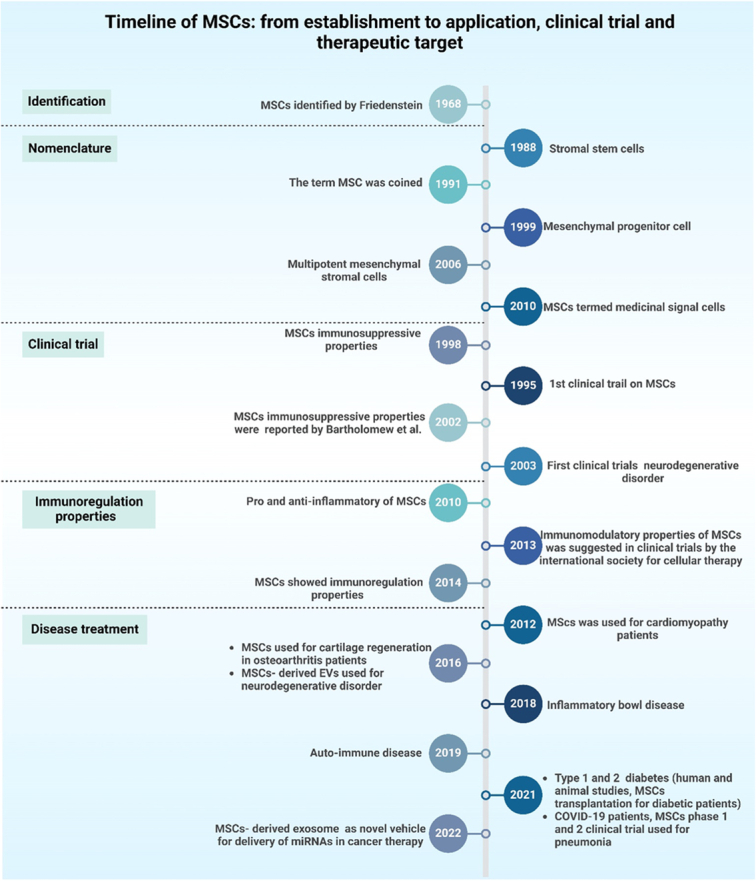
Orthopedic injuries and musculoskeletal problems are among the most commonly explored indications for stem cell therapy. Damage to cartilage, tendons, ligaments, and joints often leads to chronic pain and reduced mobility. Mesenchymal stem cells are studied for their ability to promote tissue repair, reduce inflammation, and support joint regeneration.
In patients with arthritis and degenerative joint conditions, stem cell therapy may help improve joint function, reduce stiffness, and enhance quality of life by addressing underlying tissue degeneration rather than only managing pain.
Wounds, Surgical Recovery, and Skin Burns
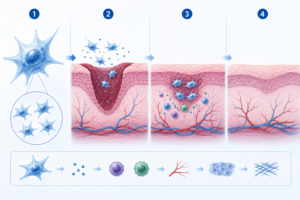
Stem cells play a vital role in wound healing by stimulating new blood vessel formation and accelerating tissue regeneration. This makes them a potential supportive option for wounds and incisions resulting from surgeries.
In cases of skin burns or chronic skin damage, stem cell based approaches may help improve tissue repair, enhance skin integrity, and reduce scarring. These regenerative effects are especially valuable in patients where healing is slow or compromised.
Neurological and Neurodegenerative Conditions
The nervous system has limited natural regenerative capacity, making neurological injuries particularly challenging to treat. Stem cell therapy is being studied for conditions such as spinal cord injuries, spinal stenosis, and brain trauma, where the goal is to support nerve repair and reduce inflammation around damaged tissue.
Neurodegenerative diseases including Parkinson’s disease, Alzheimer’s disease, and multiple sclerosis are also areas of ongoing research. Stem cells may help modulate immune responses, protect existing neurons, and support neural function, potentially slowing disease progression and improving daily functioning in selected patients.
Cardiovascular and Cerebrovascular Diseases
Cardiovascular diseases remain a leading cause of disability worldwide. Stem cell therapy is explored for its potential to enhance repair of heart and blood vessel tissue following injury. In conditions such as stroke and congestive heart failure, stem cells may support improved blood flow, reduce scar tissue, and enhance cardiac function.
For patients with hypertension and vascular dysfunction, stem cell based therapies are being studied for their ability to improve endothelial health and overall circulation, contributing to long-term cardiovascular support.
Diabetes and Pancreatic Dysfunction
Stem cell research has shown promise in metabolic disorders, particularly diabetes mellitus. Stem cells are investigated for their ability to support pancreatic function and improve insulin regulation.
Beyond diabetes, other pancreatic dysfunctions may also benefit from stem cell based strategies that focus on reducing inflammation and restoring cellular balance within metabolic systems.
Visual Impairment
Visual impairment caused by retinal degeneration or age-related damage has limited treatment options. Stem cell therapy is being investigated for its potential to support retinal repair and preserve visual function. While many applications remain under clinical evaluation, early findings suggest a role for stem cells in slowing disease progression in selected patients.
Hair Loss and Dermatological Applications
Stem cells contribute to skin renewal and cellular regeneration, making them relevant in dermatological treatments. Their role in stimulating hair follicle activity has led to growing interest in stem cell therapy for hair loss.
By improving scalp microcirculation and follicular support, stem cell based treatments may help enhance hair density and overall scalp health.
Functional Wellness and Enhanced Libido
Beyond disease-focused treatment, stem cell therapy is also explored in functional wellness applications. Through systemic regenerative and circulatory effects, stem cells may support improved energy levels, hormonal balance, and sexual wellness.
Enhanced libido and overall vitality are areas of interest where stem cell therapy is considered a supportive, quality-of-life focused option rather than a disease treatment.
Clinical Considerations
It is important to note that stem cell therapy outcomes vary depending on the condition treated, the type of stem cells used, and individual patient factors. Some applications are well-established, while others remain investigational and supported by ongoing clinical research. Proper medical assessment and professional oversight are essential.